Mullet Match-Up: SRAM vs Shimano
Mullet Match-Up: SRAM vs Shimano – Gravel Setups with Mega Range
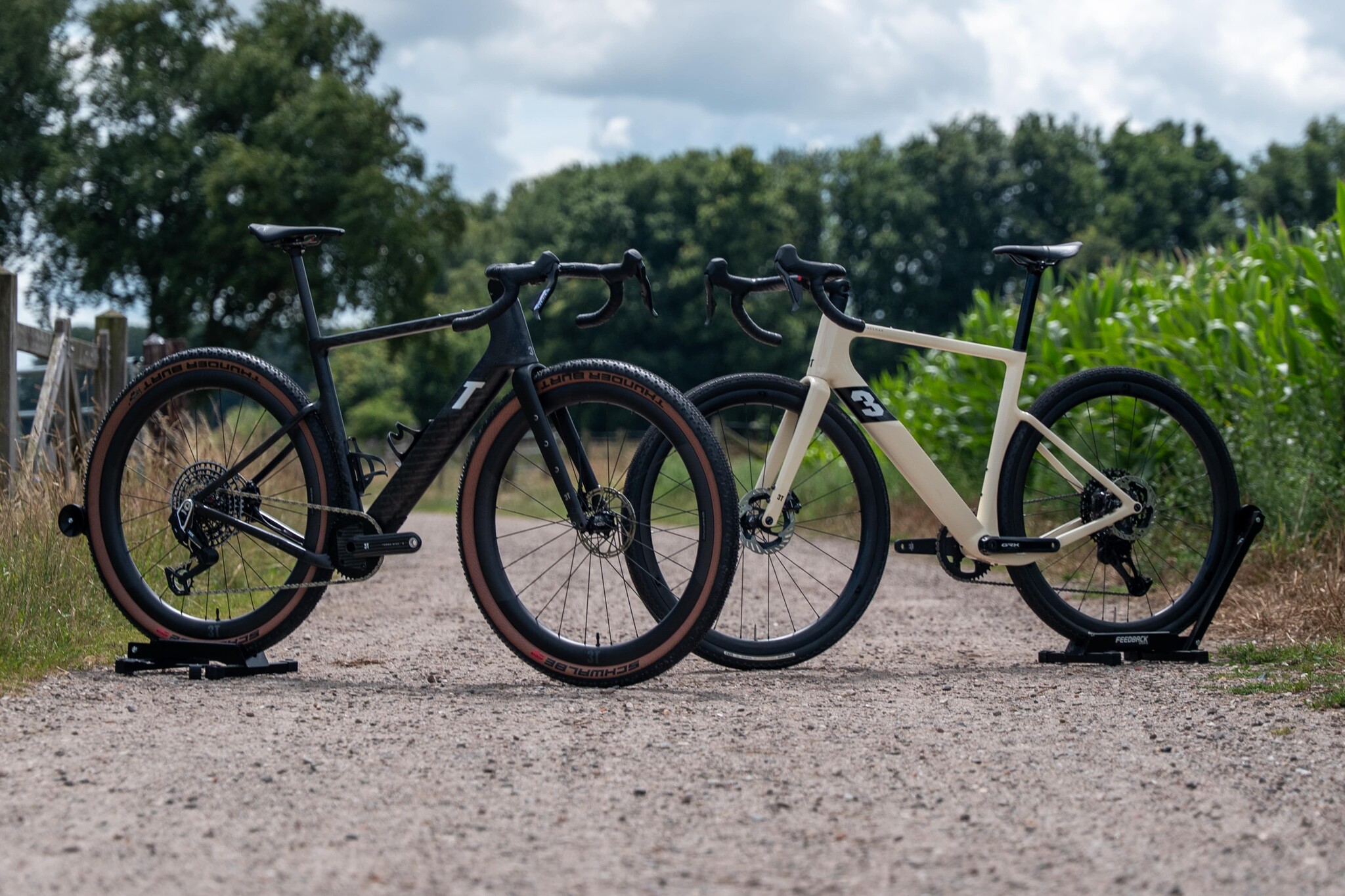
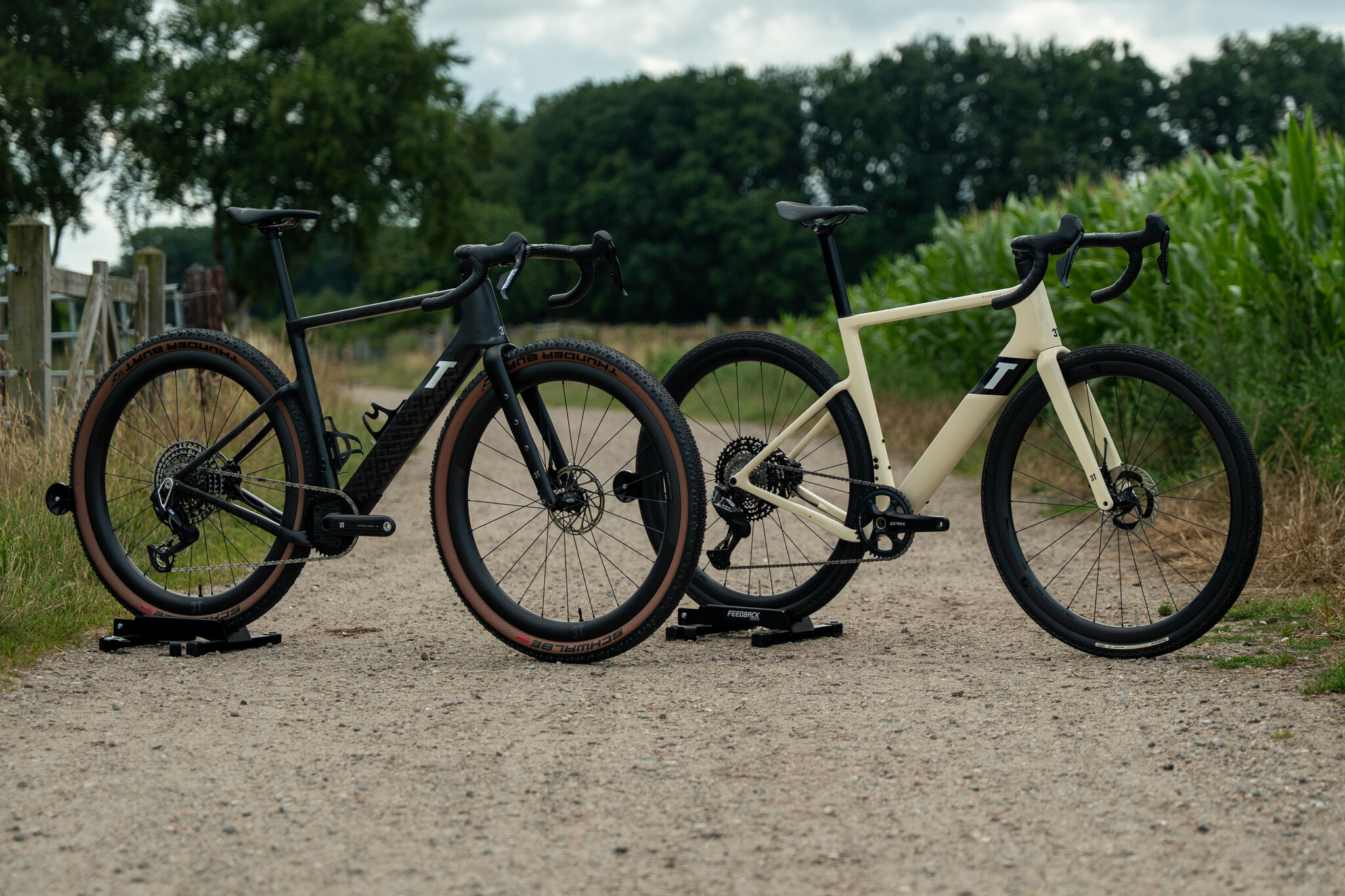
A gravel bike with a mountain bike drivetrain at the rear, also known as a mullet setup, combines the efficiency of a dropbar with the range and climbing capability of an MTB cassette and derailleur. This configuration is especially suitable for technical terrain, steep climbs, and heavier bikepacking trips.
In this blog, we compare the two most popular variants:
SRAM Rival, Force or Red AXS with GX, X0, or XX Transmission
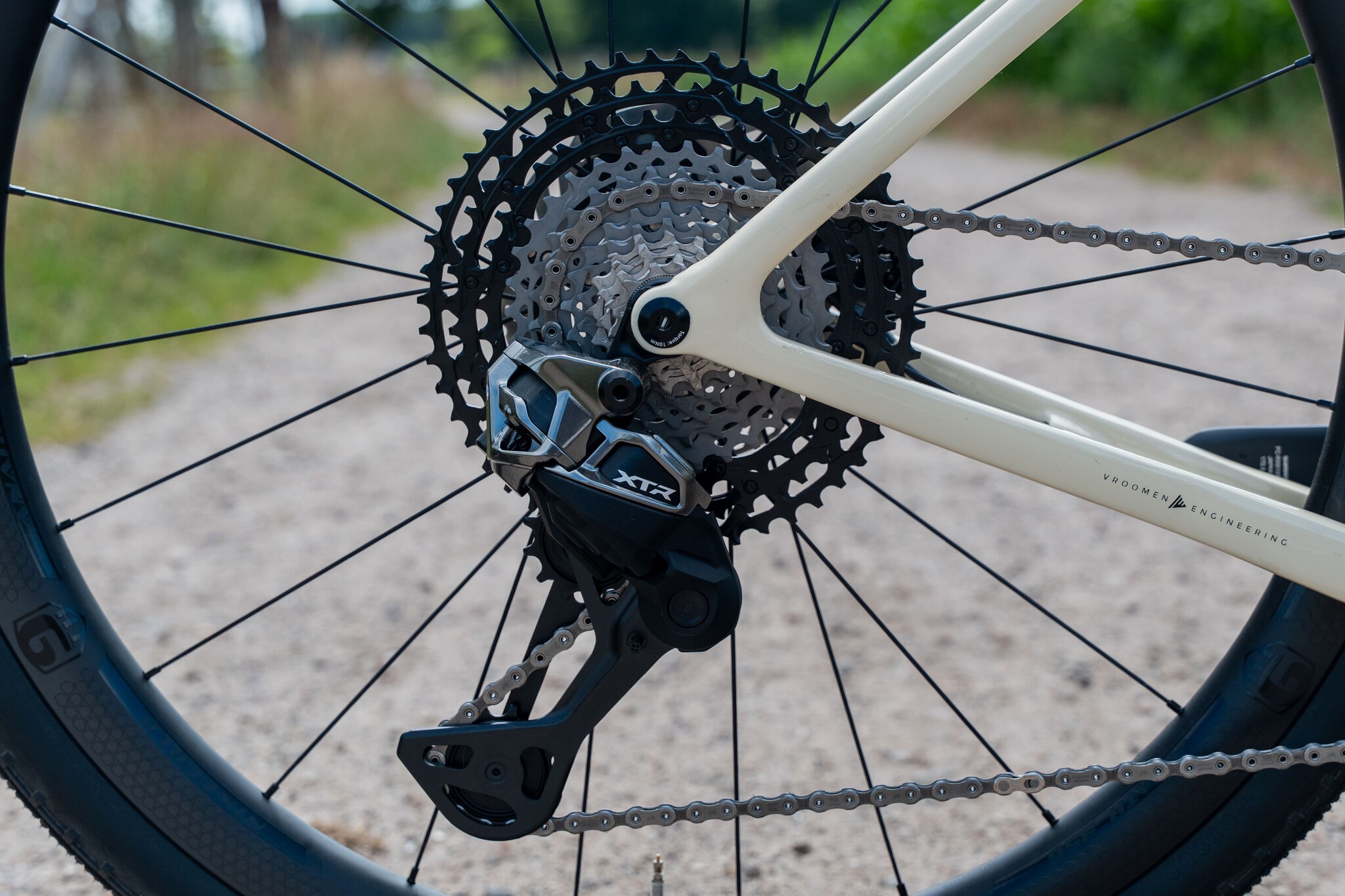
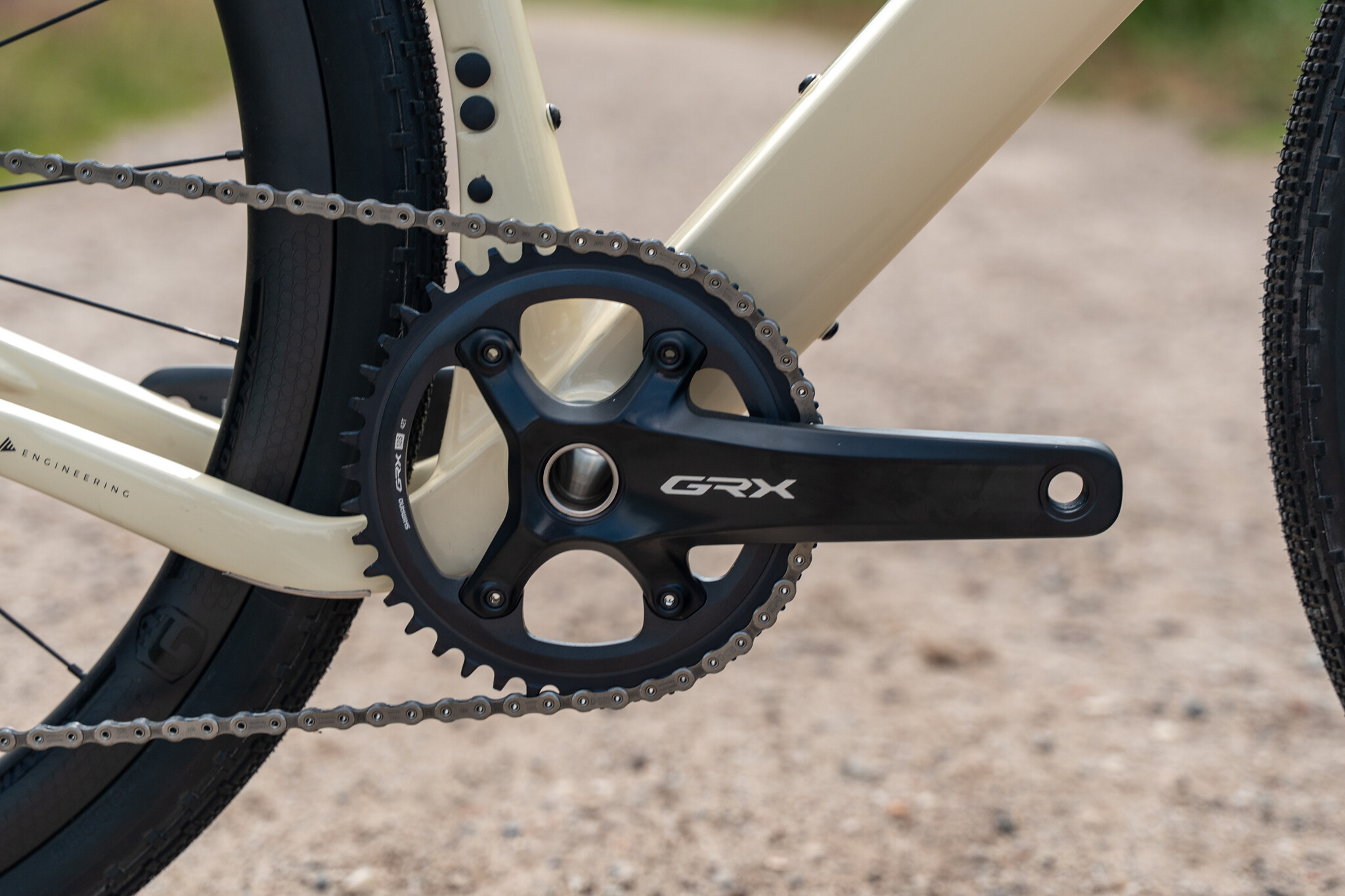
Shimano GRX Di2, Ultegra Di2, or Dura-Ace Di2 with Shimano XTR 12-speed derailleur and cassette
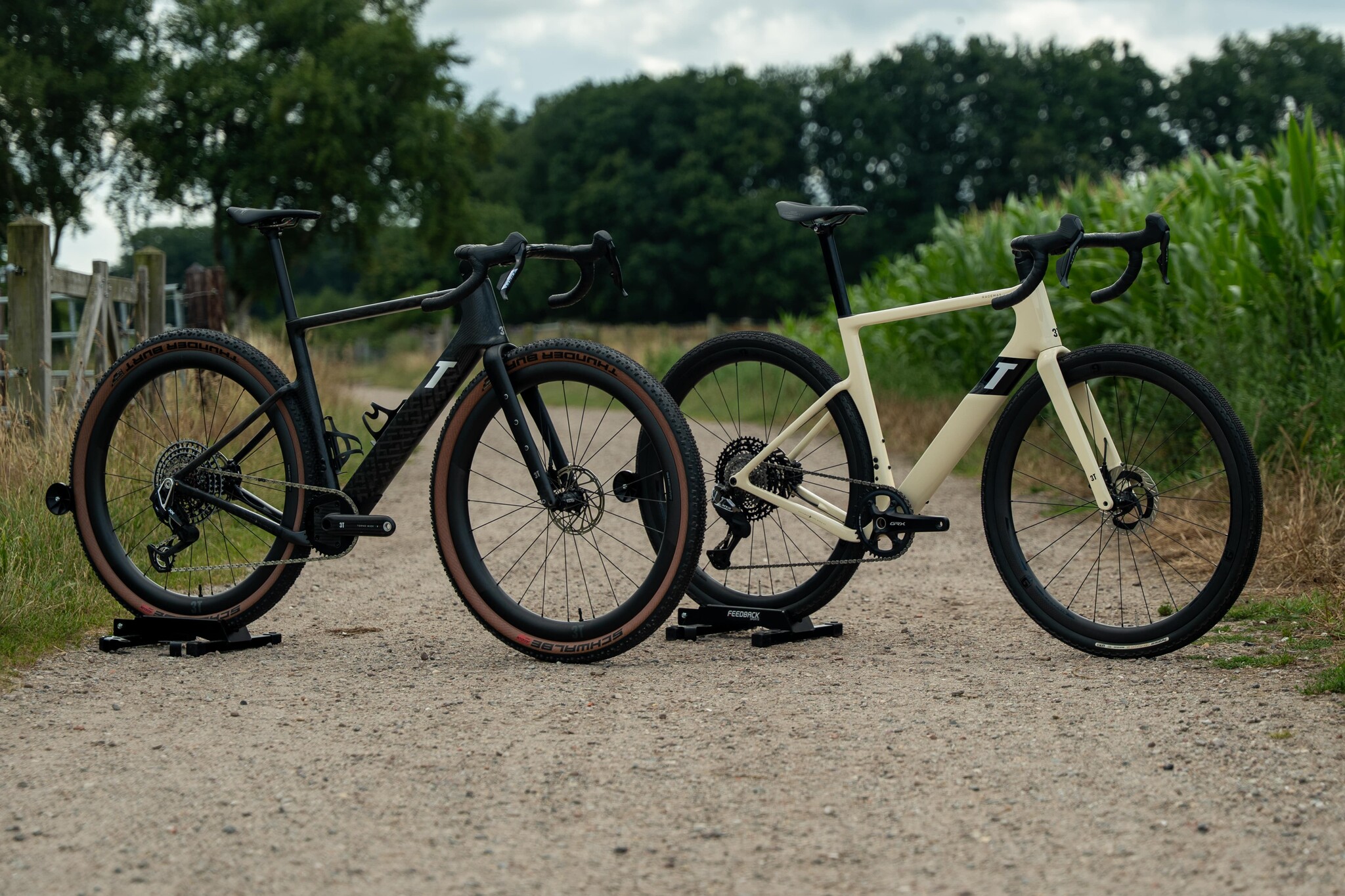
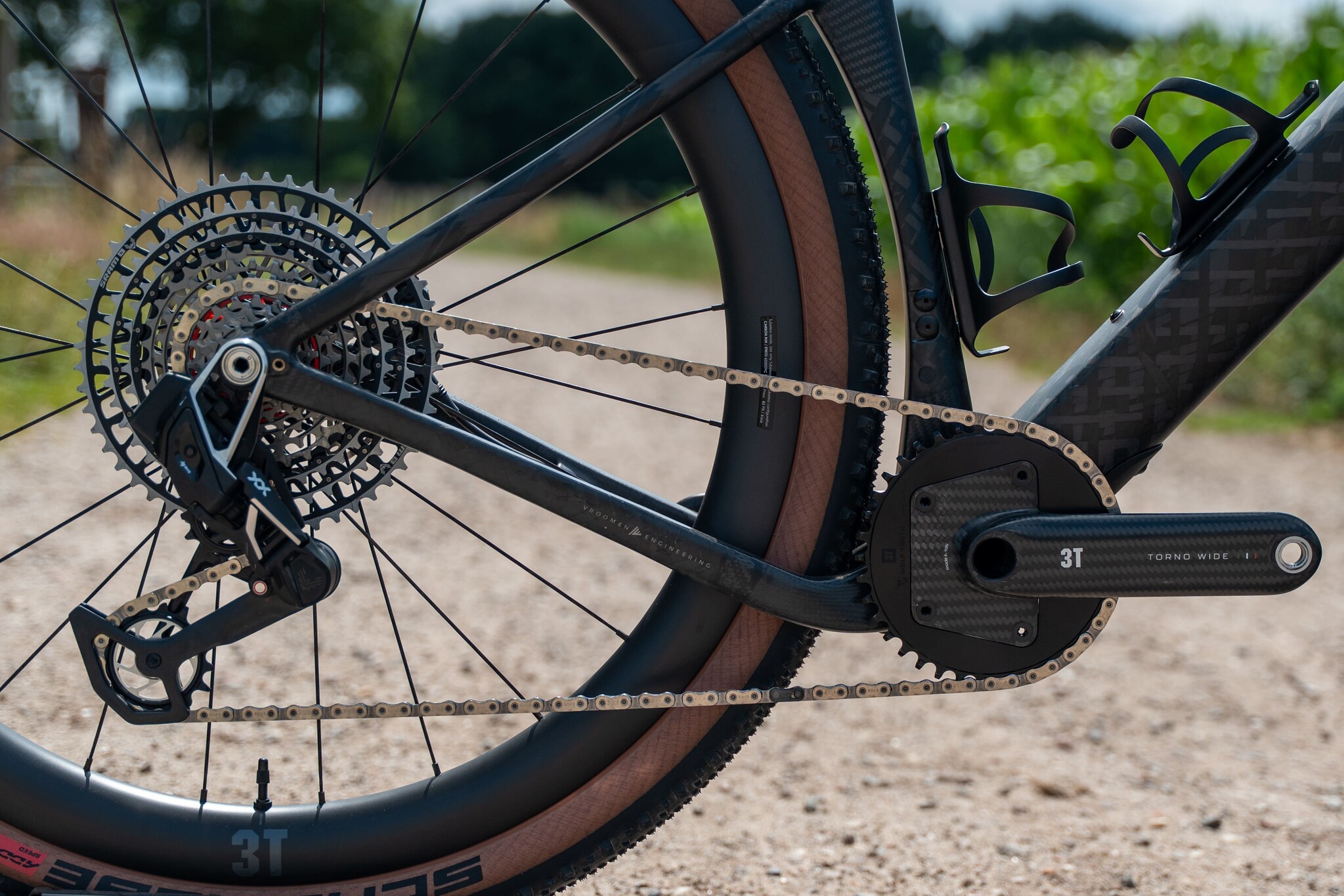
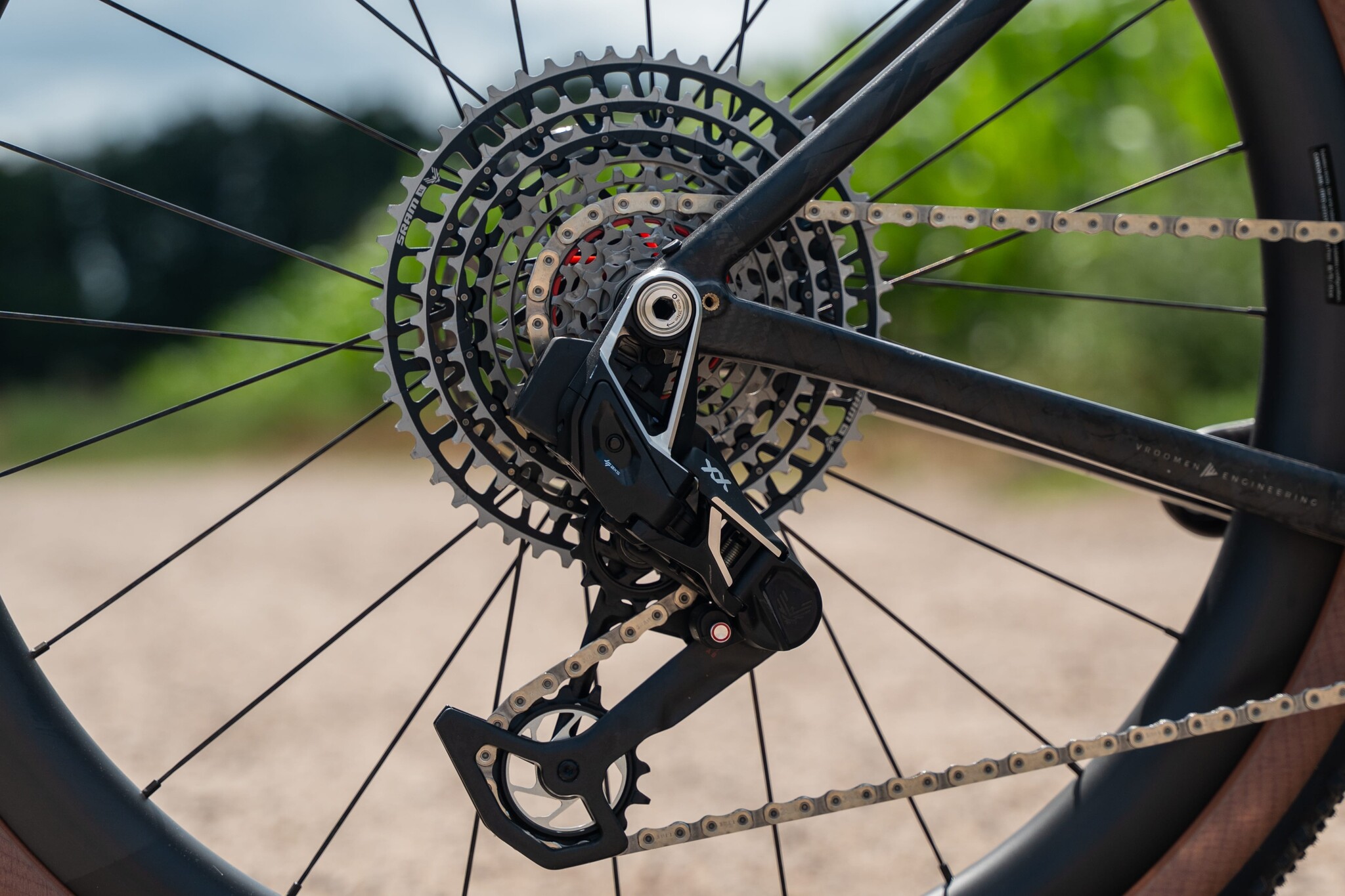
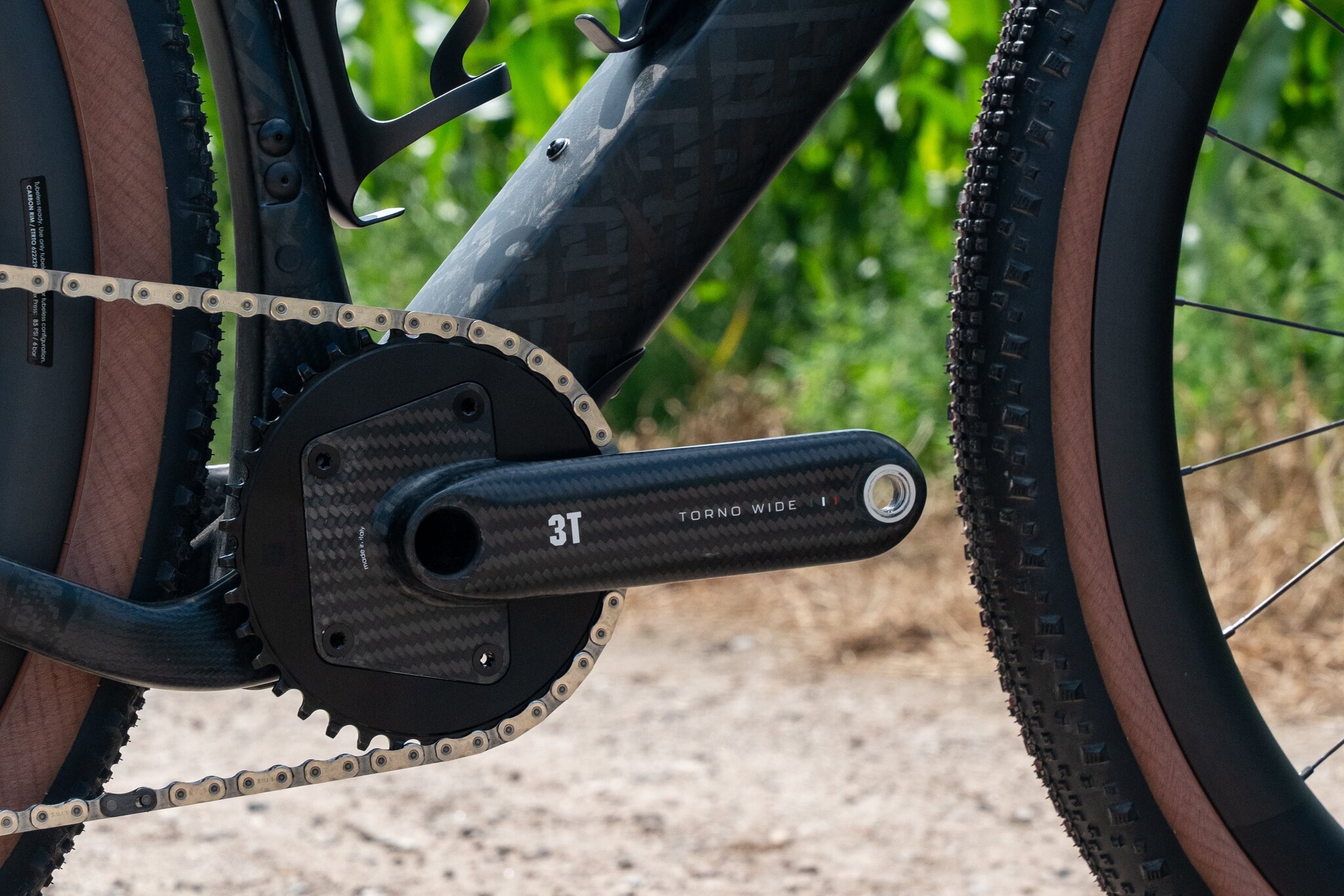
SRAM Mullet Setup
Setup: SRAM Rival, Force or Red AXS combined with GX Eagle Transmission, X0 Transmission or XX Transmission with a 10-52 cassette.
Advantages:
- Fully wireless shifting system via AXS
- Dropbar AXS shifters communicate directly with Eagle Transmission derailleur
- 10-52 cassette offers extreme range, suitable for tough climbs and packing
- UDH (Universal Derailleur Hanger) attachment adds extra robustness
- AXS app offers easy adjustment and firmware updates
- All SRAM AXS components are compatible with each other. You can mix freely between different shifters and derailleurs, from Rival to XX Transmission.
Disadvantages:
- Only compatible with frames with UDH attachment
- Transmission components are in a higher price range
Shimano Mullet Setup
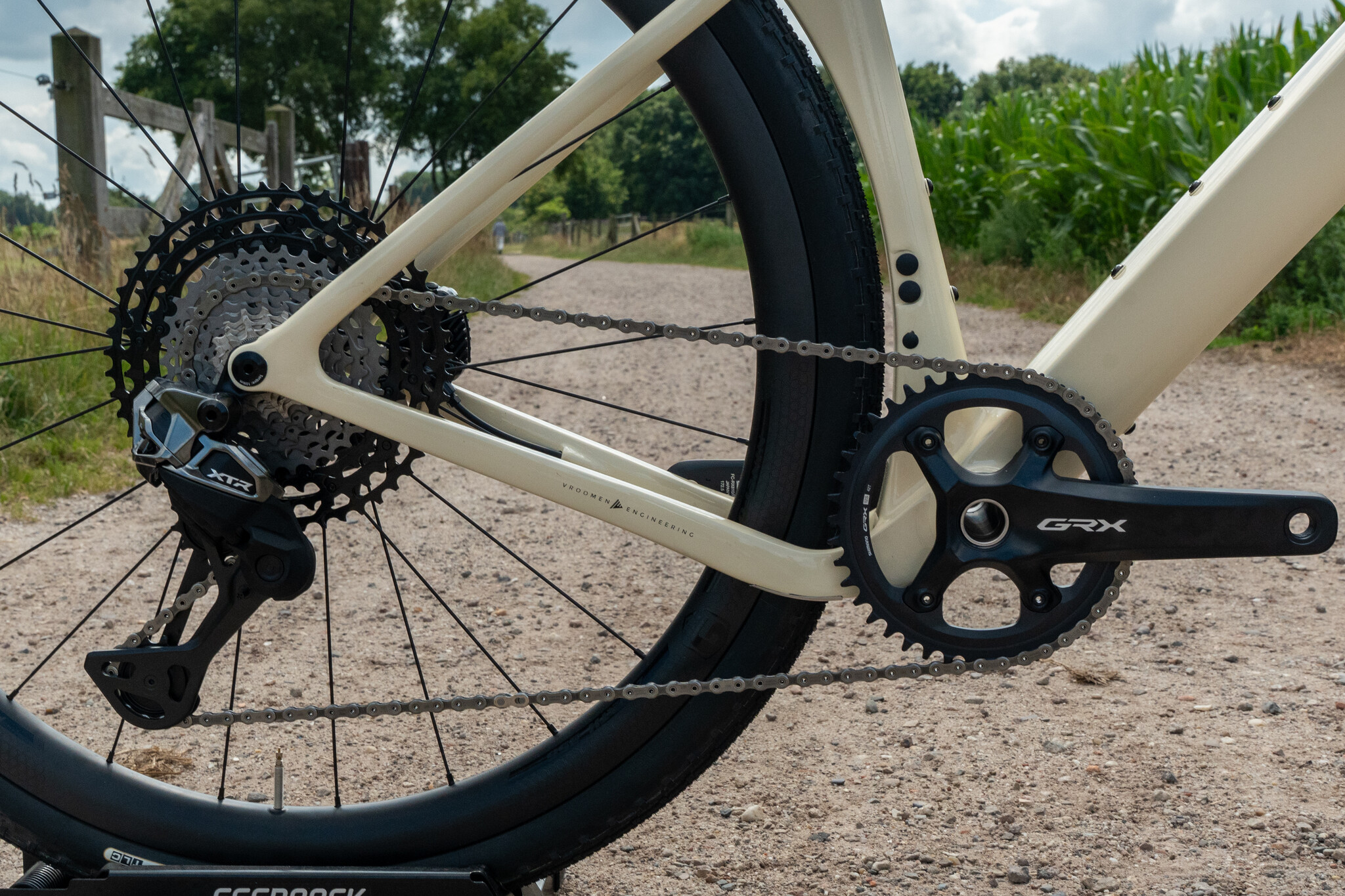
Setup: Shimano GRX Di2, Ultegra Di2 or Dura-Ace Di2 combined with XTR 12-speed derailleur and a 10-45 or 10-51 cassette.
Advantages:
- Precise and quiet shifting experience, as you would expect from Shimano
- Lighter weight compared to SRAM, especially with Ultegra and Dura-Ace
- Choice between 10-45 or 10-51 cassette for optimal range
- Shimano has made the new XTR Di2 12-speed derailleur compatible with Di2 road and gravel shifters. This now makes a native mullet setup technically possible within Shimano without external components.
Disadvantages:
- No UDH integration, which makes the derailleur more vulnerable to impact
- Wired components make installation a bit trickier
- Not all components within the Shimano Di2 ecosystem are compatible with each other
Summary Comparison
Feature | SRAM Mullet | Shimano Mullet |
Compatibility | Fully wireless, works directly | Native compatibility possible with the new generation |
Cassette range | 10-52 | 10-45 or 10-51 |
Wiring | Wireless (AXS) | Wired (Di2) |
Adjustment ease | Via AXS app | Via E-Tube software |
Frame requirements | Requires UDH frame | Standard derailleur hangers |
Weight | Relatively heavy | Relatively light, especially Dura-Ace |
Compatibility | Full AXS ecosystem integration | Compatibility only within the correct generation |
Parts availability | Good, but in higher price range | Good availability worldwide |
Conclusion
The SRAM configuration is best suited for users with a modern gravel bike with a UDH frame who are looking for ease of installation and a wide gear range. The wireless operation, robust derailleur attachment, and full compatibility within the AXS platform make it a future-proof choice for those who do a lot of climbing or off-road riding.
The Shimano setup is interesting for riders who value a lightweight and refined Di2 experience and want to use the existing ecosystem. Thanks to the recent compatibility between XTR Di2 and Shimano’s road and gravel shifters, a native mullet setup is now achievable within Shimano without external solutions, as long as you have the correct generation of parts.